Frozen Embryo Transfer Treatment in Jaipur
Dr Renu Jain
MBBS, MS (Gynae. & Obst.) IVF and Fertility Specialist
Get expert care for Frozen Embryo Transfer Treatment in Jaipur at Shekhawati IVF Centre. Our well-equipped labs and highly competent experts will help you achieve your dream and embrace parenthood whenever possible. Schedule a consultation today.



Frozen Embryo Transfer (FET) Treatment – Overview
Frozen Embryo Transfer (FET) is an advanced fertility procedure in which previously frozen embryos from an earlier IVF cycle are carefully thawed and transferred into the uterus to achieve pregnancy. This technique allows couples to attempt pregnancy without repeating the full IVF stimulation process, making treatment more convenient and cost-effective. FET also provides flexibility in timing and can improve implantation chances when the uterine lining is optimally prepared. At Shekhawati IVF Centre in Jaipur, specialists use modern cryopreservation techniques to ensure high embryo survival rates and personalized care throughout the treatment journey.
Step-by-Step Frozen Embryo Transfer Treatment at Shekhawati IVF Centre, Jaipur
The Frozen Embryo Transfer (FET) procedure is performed in a structured and carefully monitored sequence to improve implantation success rates. Below is the step-by-step treatment process followed at Shekhawati IVF Centre:

Initial Consultation & Evaluation
The fertility specialist reviews your medical history, previous IVF cycle details, and embryo freezing records. Ultrasound and hormone tests are performed to plan the timing of embryo transfer.
Uterine Lining Preparation
Hormonal medications (usually estrogen and progesterone) are prescribed to prepare the uterine lining so it becomes suitable for embryo implantation.
Monitoring the Endometrial Thickness
Regular ultrasound scans are conducted to monitor the thickness and quality of the uterine lining. Transfer is planned once optimal lining conditions are achieved.
Embryo Thawing
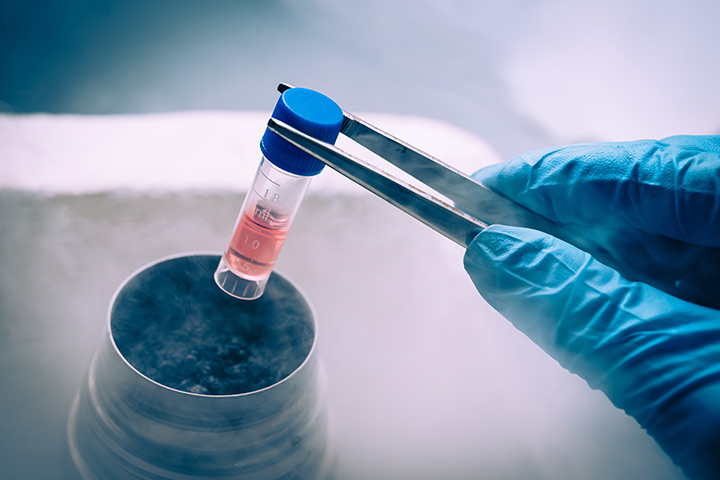
Previously frozen embryos are carefully thawed in a controlled laboratory environment using advanced cryopreservation techniques to maintain embryo viability.
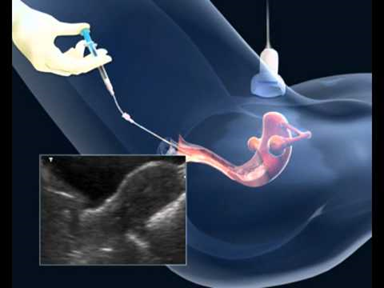
Embryo Transfer Procedure
The healthy embryo is gently placed inside the uterus using a thin catheter. This procedure is quick, painless, and usually does not require anesthesia.
Post-Transfer Care
Patients are advised to take light rest and continue prescribed medications to support implantation and early pregnancy development.
Pregnancy Test
A blood pregnancy test is performed approximately 10–14 days after embryo transfer to confirm whether implantation has been successful.
Why Choose Frozen Embryo Transfer Treatment at Dr. Renu Jain’s Shekhawati IVF Centre, Jaipur?
Choosing the right fertility centre plays a crucial role in the success of Frozen Embryo Transfer (FET) treatment. At Shekhawati IVF Centre, patients receive advanced medical care combined with personalized attention to improve implantation success and overall pregnancy outcomes.

Frozen Embryo Transfer Treatment Cost in Jaipur
The cost of Frozen Embryo Transfer (FET) treatment in Jaipur typically ranges between ₹40,000 and ₹80,000, depending on individual medical requirements and treatment protocols. In many cases, the final cost may vary based on factors such as uterine lining preparation medicines, embryo freezing history, laboratory techniques used for thawing, number of embryos transferred, and additional diagnostic tests if required.
At Shekhawati IVF Centre, the exact cost of FET treatment is determined after evaluating the patient’s previous IVF cycle details, embryo quality, and overall reproductive health. Since embryos are already available from an earlier cycle, FET is usually more affordable and less physically demanding than a fresh IVF cycle, making it a preferred option for many couples planning pregnancy.
Contact UsIs Frozen Embryo Transfer (FET) the Best Option for You?
Frozen Embryo Transfer (FET) is often recommended when embryos are already available from a previous IVF cycle or when doctors want to prepare the uterus more carefully before implantation. Compared to fresh embryo transfer cycles, FET provides flexibility, improved uterine preparation, and a comfortable treatment experience for many patients.
At Shekhawati IVF Centre, fertility specialists carefully evaluate your medical history, embryo quality, and uterine readiness before recommending whether FET is the right treatment option for you.
Benefits of Choosing Frozen Embryo Transfer (FET)
Flexible timing for embryo transfer
Unlike fresh embryo transfers that must be performed immediately after egg retrieval, FET allows specialists to choose the most suitable time for implantation based on uterine readiness.
Improved uterine environment
Since the uterus can be prepared more precisely with hormonal support, implantation success rates with FET are often comparable to—or sometimes higher than—fresh embryo transfers.
No repeat ovarian stimulation required
Patients do not need to undergo another egg stimulation cycle, reducing both physical discomfort and emotional stress.
Option for genetic embryo screening
Embryos can be screened before freezing to select the healthiest embryos for transfer, improving pregnancy outcomes.
What Are the Chances of Success with Frozen Embryo Transfer?
The success of Frozen Embryo Transfer treatment in Jaipur depends on several important factors, including:
- Woman’s age
- Embryo quality
- Uterine lining thickness
- Hormonal balance
- Overall reproductive health history
With modern vitrification technology, embryo survival rates after thawing are typically above 90%, especially when embryos are frozen at the blastocyst stage (Day 5–6). When transferred under optimal uterine conditions, frozen embryos often show success rates comparable to fresh embryo transfers.
At Shekhawati IVF Centre, advanced embryo freezing and thawing techniques help maintain high embryo survival and implantation potential.
Who Should Consider Frozen Embryo Transfer?
Frozen Embryo Transfer may be recommended for couples facing the following fertility conditions:
- Fallopian Tube Blockage or Damage If fallopian tubes are blocked or damaged, fertilization and embryo movement become difficult naturally. IVF with embryo transfer helps overcome this barrier.
- Ovulation Disorders Irregular ovulation or hormonal imbalance can reduce natural conception chances. FET helps improve pregnancy success using previously created embryos.
- Endometriosis Endometriosis can affect reproductive organs and reduce implantation chances. Carefully timed FET improves uterine receptivity.
- Uterine Fibroids Fibroids may interfere with embryo implantation. Specialists evaluate whether FET is suitable after uterine preparation.
- Previous Tubal Ligation Women who have undergone fallopian tube ligation can still achieve pregnancy through IVF and frozen embryo transfer.
- Male Factor Infertility When sperm quality is low, embryos created using ICSI treatment can later be transferred through FET cycles successfully.
Why Choose Frozen Embryo Transfer at Dr. Renu Jain’s Shekhawati IVF Centre?
Choosing the right fertility centre significantly improves treatment outcomes. At Shekhawati IVF Centre, patients benefit from advanced reproductive care combined with personalized treatment planning.
- Detailed Fertility Evaluation: Advanced diagnostic testing helps identify the underlying causes affecting implantation and pregnancy success.
- Personalized Treatment Planning: Each patient receives a customized uterine preparation protocol based on medical history and previous IVF cycle outcomes.
- Advanced Embryo Freezing Technology: Modern vitrification techniques ensure high embryo survival rates after thawing.
- Experienced Fertility Specialist Guidance: Treatment is supervised by Dr. Renu Jain, ensuring careful monitoring at every stage of the FET cycle.
- Modern Laboratory Support: The centre uses advanced reproductive technologies to improve embryo handling accuracy and implantation success.
- Compassionate Patient Support Throughout Treatment: Patients receive continuous guidance, emotional reassurance, and transparent communication from consultation to pregnancy confirmation.
Book appointment today!
Scheduling your visit is quick and easy—connect with our team today and take the first step toward personalized care.

FAQs
FAQ About Frozen Embryo Transfer (FET) Treatment in Jaipur
In many cases, Frozen Embryo Transfer (FET) offers success rates similar to or sometimes higher than fresh embryo transfer. This is because doctors can prepare the uterine lining more carefully before the transfer, improving implantation chances.
No. Since embryos are already created and frozen from a previous IVF or ICSI cycle, you do not need ovarian stimulation or egg retrieval again. This makes FET simpler, more comfortable, and less physically demanding.
FET is a quick and mostly painless procedure. It usually takes only a few minutes and does not require anesthesia. Most patients can return home shortly after the transfer.
A typical FET cycle takes around 2 to 3 weeks, depending on how quickly the uterine lining responds to hormonal preparation. A pregnancy test is usually performed 10–14 days after embryo transfer.
Yes. With modern vitrification technology used at Shekhawati IVF Centre, embryo survival rates after thawing are typically above 90%, ensuring strong implantation potential.
Complete bed rest is not required after FET. Light rest for the first 24 hours is usually recommended, after which most patients can continue normal daily activities as advised by their fertility specialist.
The suitability of FET depends on factors like embryo availability, uterine lining condition, previous IVF cycle results, and overall reproductive health. At Shekhawati IVF Centre, specialists evaluate your reports carefully before recommending the most appropriate treatment plan.