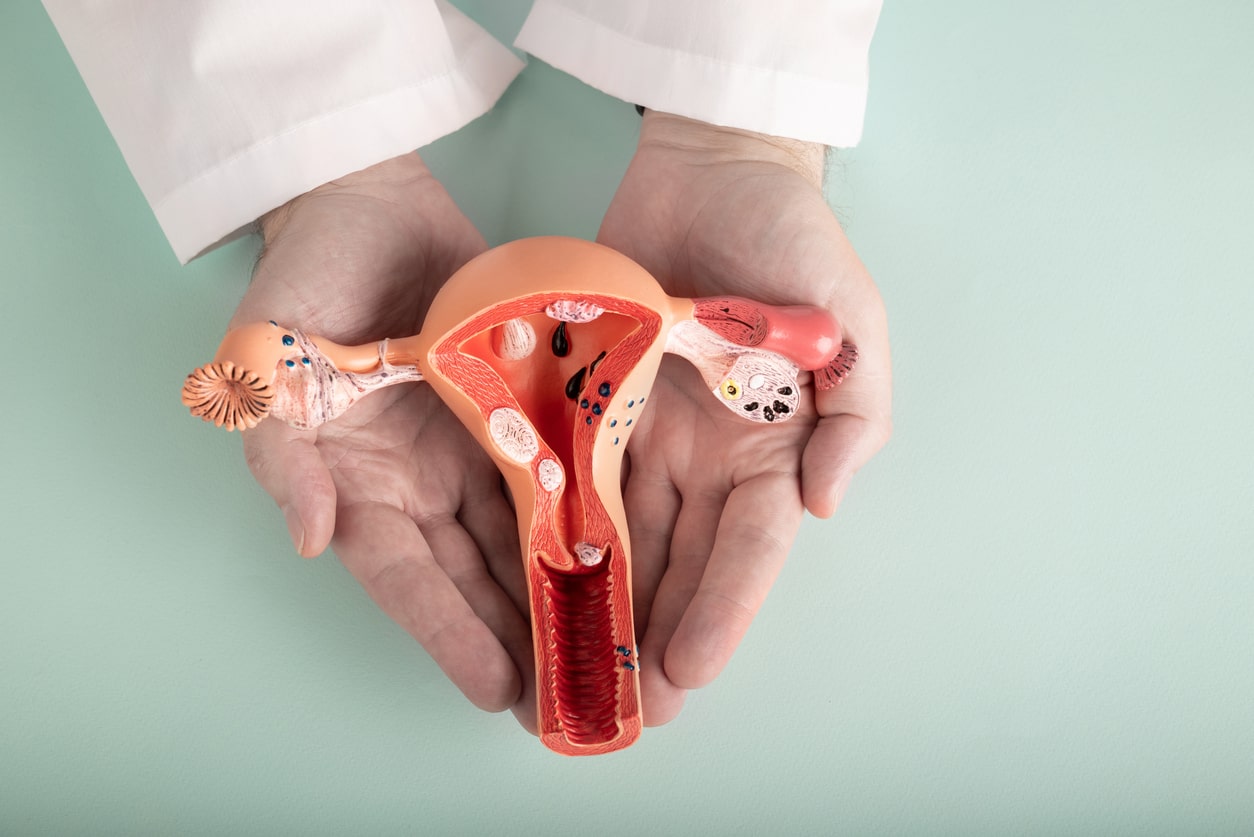
What is Female Infertility?
Female Infertility refers to the inability to conceive naturally after one year of regular, unprotected intercourse, or difficulty in carrying a pregnancy successfully. It is a common concern affecting many women and can occur due to several medical and lifestyle-related factors. These may include hormonal imbalance, irregular ovulation, abnormal menstrual cycles, blocked fallopian tubes, uterine conditions, increasing age, or underlying health issues.
In many cases, female infertility is treatable with timely diagnosis and the right medical support. A detailed fertility evaluation helps identify the exact cause and guides personalized treatment options such as ovulation support, lifestyle correction, or advanced fertility procedures when required—improving the chances of achieving a healthy pregnancy.
Signs and Symptoms of Female Infertility
Female infertility may not always be immediately obvious, but certain signs and symptoms can indicate underlying reproductive issues. Being aware of these can help women seek timely medical advice:
- Irregular or Absent Menstrual Cycles: Menstrual cycles that are very irregular, too short, too long, or absent can indicate ovulation problems, which are a common cause of infertility.
- Painful Periods or Pelvic Pain: Severe menstrual cramps, chronic pelvic pain, or pain during intercourse may be linked to conditions like endometriosis or pelvic inflammatory disease, which can affect fertility.
- Hormonal Symptoms: Unexplained weight gain, excessive hair growth (hirsutism), acne, or hair thinning may indicate hormonal imbalances such as PCOS or thyroid disorders.
- Repeated Pregnancy Loss: Difficulty maintaining a pregnancy or experiencing multiple miscarriages may point to underlying fertility issues that need evaluation.
- Infertility Despite Regular Intercourse: Inability to conceive after 12 months of regular, unprotected intercourse (or 6 months if over 35) is a key sign that medical assessment is necessary.
- Other Reproductive Symptoms: Unusual vaginal discharge, history of pelvic infections, or STIs can also contribute to infertility and may require testing.
Recognizing these signs early and consulting a fertility specialist can help identify the cause and allow timely intervention, increasing the chances of successful conception.
Causes of Female Infertility
Female infertility can arise due to multiple factors, including age, hormonal imbalances, and anatomical issues.
- Age-Related Factors: Age is one of the most significant contributors to female infertility. Women are born with a finite number of eggs, and both the quantity and quality of these eggs decline over time. Fertility gradually decreases after the age of 30 and drops more sharply after 40. Women over 40 have a higher risk of infertility due to a reduced ovarian reserve.
- Hormonal Imbalances: Hormonal disturbances can significantly affect fertility. Conditions such as Polycystic Ovary Syndrome (PCOS) can cause irregular menstrual cycles and prevent ovulation, leading to difficulties in conceiving. Other hormonal issues, including thyroid disorders or elevated prolactin levels, can also disrupt ovulation and reduce fertility.
- Anatomical or Structural Factors: Physical abnormalities in the reproductive system can prevent conception. Conditions like endometriosis, uterine fibroids, or polyps can interfere with the implantation of an embryo or the meeting of sperm and egg. Blocked fallopian tubes are a common cause of infertility, as they prevent sperm from reaching the egg. Structural abnormalities of the uterus, such as a septum or intrauterine adhesions, can also hinder successful implantation.
Understanding these factors is crucial for identifying the cause of infertility and planning effective treatment strategies.
Risk Factors for Female Infertility
Several factors can increase a woman’s risk of infertility, ranging from age and lifestyle habits to underlying medical conditions.
- Age: Age is a major risk factor. Women over 35, and especially those over 40, face a higher likelihood of infertility due to the natural decline in both the quantity and quality of eggs.
- Lifestyle Factors: Certain lifestyle choices can adversely affect fertility. Smoking, for example, can damage the reproductive system and reduce egg quality. Excessive alcohol consumption and recreational drug use are also linked to decreased fertility in women. Maintaining a healthy lifestyle is therefore important for reproductive health.
- Medical Conditions: Several medical conditions can increase the risk of infertility:
-
- Polycystic Ovary Syndrome (PCOS) – can prevent regular ovulation.
- Endometriosis – can cause inflammation and scarring in the reproductive organs.
- Thyroid disorders – can disrupt hormonal balance necessary for conception.
- Infections and Pelvic Health: A history of sexually transmitted infections (STIs) or pelvic inflammatory disease (PID) can lead to scarring or damage to the reproductive system, making it more difficult to conceive.
Awareness of these risk factors helps in early intervention and increases the chances of successful conception through timely medical guidance.
Tests for Female Infertility
When a woman experiences difficulty conceiving, a thorough evaluation is essential to identify the underlying cause. Common tests include:
- Blood Tests: These check hormone levels to detect any imbalances that may affect ovulation and fertility.
- Ultrasound: An ultrasound helps assess the ovaries and uterus for structural abnormalities such as fibroids, cysts, or endometriosis, which may interfere with conception.
- Hysterosalpingogram (HSG): This X-ray test examines the fallopian tubes for blockages. A special dye is injected into the uterus and fallopian tubes, and X-ray images are taken to ensure the dye flows freely, indicating open tubes.
Treatment for Female Infertility
Treatment depends on the cause of infertility and may include lifestyle changes, medications, surgery, or advanced reproductive technologies.
- Lifestyle Modifications:
Simple changes can significantly improve fertility:
-
- Quitting smoking and reducing alcohol consumption
- Maintaining a healthy weight, especially for women with PCOS
- Medications:
Hormonal treatments can help regulate ovulation:
-
- Clomiphene citrate stimulates ovulation in women with PCOS or hormonal imbalances
- Gonadotropins are injectable hormones that encourage egg production
- Surgical Interventions:
Surgery may be recommended to correct anatomical problems:
-
- Removing blockages or damage in the fallopian tubes or uterus
- Treating fibroids, cysts, or endometriosis that interfere with implantation or fertilization
- Assisted Reproductive Technologies (ART):
ART includes advanced procedures to increase the chances of pregnancy:
-
- In Vitro Fertilization (IVF): Eggs are retrieved, fertilized with sperm in a lab, and implanted into the uterus
- Intracytoplasmic Sperm Injection (ICSI): A single sperm is injected directly into an egg
- Gamete Intrafallopian Transfer (GIFT): Eggs and sperm are placed directly into the fallopian tubes
These techniques provide hope to couples struggling with infertility, but it’s important to note that success rates vary, procedures can be costly, and risks exist.
Female infertility can be a challenging and emotional journey, but effective treatments are available. Women are encouraged to work closely with their healthcare provider to identify the cause and explore suitable options.
At Dr. Renu Jain’s Shekhawati IVF Centre, we provide personalized care and advanced fertility treatments. Many women have successfully conceived with our support.
📞 Book a Consultation with Our Fertility Experts: +91-7023001222